HVAC Repair for Gas Packs and Heat Pumps in Kansas City
Kansas City weather is its own kind of HVAC training. One week you are running cooling in the afternoons, the next you are listening to the furnace cycle on at night because the humidity broke and the temperature dropped fast. If your system includes a gas pack or a heat pump, the service calls you avoid are usually the ones you can see coming, the ones you catch early, and the ones you handle with the right repairs instead of “waiting until it’s an emergency.”
I work with a lot of homeowners and small commercial properties around Kansas City, and the patterns are consistent. Gas packs tend to show their trouble in the ignition, airflow, and combustion side of the system. Heat pumps usually tip you off through comfort problems, strange sounds, or electrical and defrost behavior. When you match the repair to the actual cause, the system runs steadier, the bills make more sense, and you avoid the domino effect where one component fails and takes out another.
Whether you are looking for AC repair in Kansas City MO,HVAC repair in Kansas City MO, or you need a full HVAC contractor in Kansas City MO who can handle both gas packs and heat pumps, the best results start with doing the diagnosis the hard way: checking pressures and temperature rise, inspecting controls, verifying airflow, and confirming safety devices operate as designed.
Gas packs and heat pumps, and why Kansas City puts them to the test
A gas pack is basically a compact package unit that combines heating and cooling, usually with an indoor coil, a blower, and a gas-fired heat section. The big reliability wins for gas packs are efficiency and convenience, but Kansas City can be rough on them because they see wide seasonal swings. When heating and cooling alternate quickly, any weak link in the ignition sequence, inducer operation, or airflow management gets stressed.
Heat pumps are different. They move heat rather than creating it directly (with the electric heat strips as backup). In Kansas City’s winters, the heat pump can handle a lot, but it also has to cycle through defrost when outdoor conditions require it. When defrost is delayed or incomplete, comfort suffers and components take extra strain. When defrost is overactive, you may feel warm air unevenly and see higher electric use.
The practical difference for homeowners is simple. Gas pack trouble often shows up as “no heat,” “no ignition,” short cycling, or uneven airflow. Heat pump trouble more often shows up as “it runs but doesn’t heat enough,” odd noises during defrost, or failures around thermostats and outdoor controls.
The most common gas pack repair issues I see
If you have a gas pack, you probably already know that a unit can look fine while something important is slipping. A slight airflow problem can cause a dirty heat exchanger to overheat, and a small vent or draft issue can disrupt combustion. Most of the gas pack problems I deal with come down to ignition, burner operation, combustion safety, and blower performance.
Ignition and combustion related problems
The ignition system has to create a reliable spark or glow, in the right timing sequence, with the right gas pressure. If the unit is having trouble lighting, the thermostat may call for heat, the blower may run, and then the control board will lock out after several failed attempts. Sometimes the homeowner notices the “click-click” of relay cycling or a brief blower start followed by silence.
A frequent cause is restricted airflow. If the indoor blower is weak, dirty, or failing to move the expected amount of air, combustion can become unstable. Another common issue is ignition system wear, including the ignitor and flame sensing. Flame sensing issues are sneaky because the system may ignite, briefly run, and then shut down as if no flame is proven.
Airflow and blower problems
When air movement is off, the system’s behavior changes. You might see warm air that never really gets hot enough, or the furnace section might run and shut down early. A dirty filter contributes, but I have found real blower problems too: failing blower motors, worn bearings, loose belts on older units, and clogged drain lines that interfere with condensate behavior in certain configurations.
On gas packs, the temperature rise and the heat exchanger temperature are tightly connected to airflow. If the system is overheating due to restricted air, it can trigger safety switches. If it’s too cool due to excessive airflow or a misadjusted blower, combustion can operate poorly. That’s why a real HVAC repair isn’t just “reset and try again.”
Condensate and drainage concerns
Many gas packs and related gas furnaces have condensate management, especially in higher efficiency setups. If the condensate line clogs, you can get water backing up into the control area, draining problems that trip safeties, and corrosion that shortens equipment life. The homeowner may notice water around the base, a gurgling sound, or repeated shutdown errors that don’t immediately point to drainage.
Heat pump repair issues that show up in real life
Heat pumps are comfortable when they’re operating properly, but they have a different set of failure modes. Some problems are mechanical, some are electrical, and some come from control logic.
Defrost behavior and comfort complaints
One of the biggest heat pump “tells” is how the unit behaves during cold periods. Heat pumps use defrost to clear ice from the outdoor coil. If the unit doesn’t defrost when it should, the outdoor coil can ice over, and heating capacity collapses. You might hear a fan continue but get weak warm air inside.
If the unit defrosts too often, or longer than needed, you can get uncomfortable temperature swings. In Kansas City, where winter can alternate between freeze and thaw, the defrost cycle can be active more frequently than a homeowner expects. The goal is to make sure defrost is timed and triggered correctly, and that it uses the right sensors and control parameters for your specific system.
Electrical components and control faults
Heat pumps rely on outdoor and indoor control components. Contactors, relays, and defrost controls can fail, and thermostats can misbehave too. Sometimes the issue is not a total failure, but a degraded performance. A contactor that’s not switching cleanly can create intermittent faults, and a control board can keep the system operating in a mode that isn’t quite right.
When these issues happen, troubleshooting requires measuring voltage under load, checking signal wiring, and verifying the unit’s control response, not just swapping parts based on guesswork. The wrong replacement is expensive, and the right replacement needs to be paired with a proper root cause check.
Airflow and indoor coil maintenance
Heat pumps still depend on airflow through the indoor coil. If the coil is dirty or the blower all4onekc.com is underperforming, heat transfer declines. That shows up as a system running longer while the temperature never catches up. A homeowner might say, “It runs all night, but the house never feels warm,” and the filter might be clean. In those cases, the dirty coil, weak blower motor, or duct airflow restriction can be the real cause.
AC repair in Kansas City MO: cooling problems that aren’t always “just the AC”
Even if your main worry is heating, summer still matters. Kansas City humidity loads the cooling system in ways that can reveal problems in the indoor coil, drainage, and refrigerant handling. I’ll often hear, “It cools but never feels as cold as last year.” That may mean the system has lost efficiency due to coil dirt, refrigerant issues, or a compressor problem. Or it may mean ductwork isn’t delivering cooled air where it needs to go.
What cooling complaints usually mean
A few common patterns:
- Air feels cold near the vents but humidity stays high, which points toward coil and airflow conditions.
- The system short cycles, which points toward airflow restrictions, thermostat issues, or refrigerant and electrical limits.
- The blower runs but the compressor doesn’t engage, which points toward capacitor, contactor, or control wiring.
The key is that cooling comfort is not just temperature. In humid climates like ours, good AC performance means the indoor coil can remove moisture at the right rate. If the coil can’t condense properly because airflow is wrong or the coil is fouled, you get clammy indoor air even if the temperature feels “okay.”
HVAC repair in Kansas City MO: what a real diagnosis looks like
Homeowners often want to know one thing: “What did you find?” The best repairs come from verification. A solid diagnosis does not rely on guessing from a symptom alone, because many problems share similar surface behavior. A unit that won’t heat could be a thermostat issue, an ignition component issue, a limit switch issue, a gas supply issue, or an airflow issue. A unit that cools poorly could be refrigerant related, airflow related, electrical related, or ductwork related.
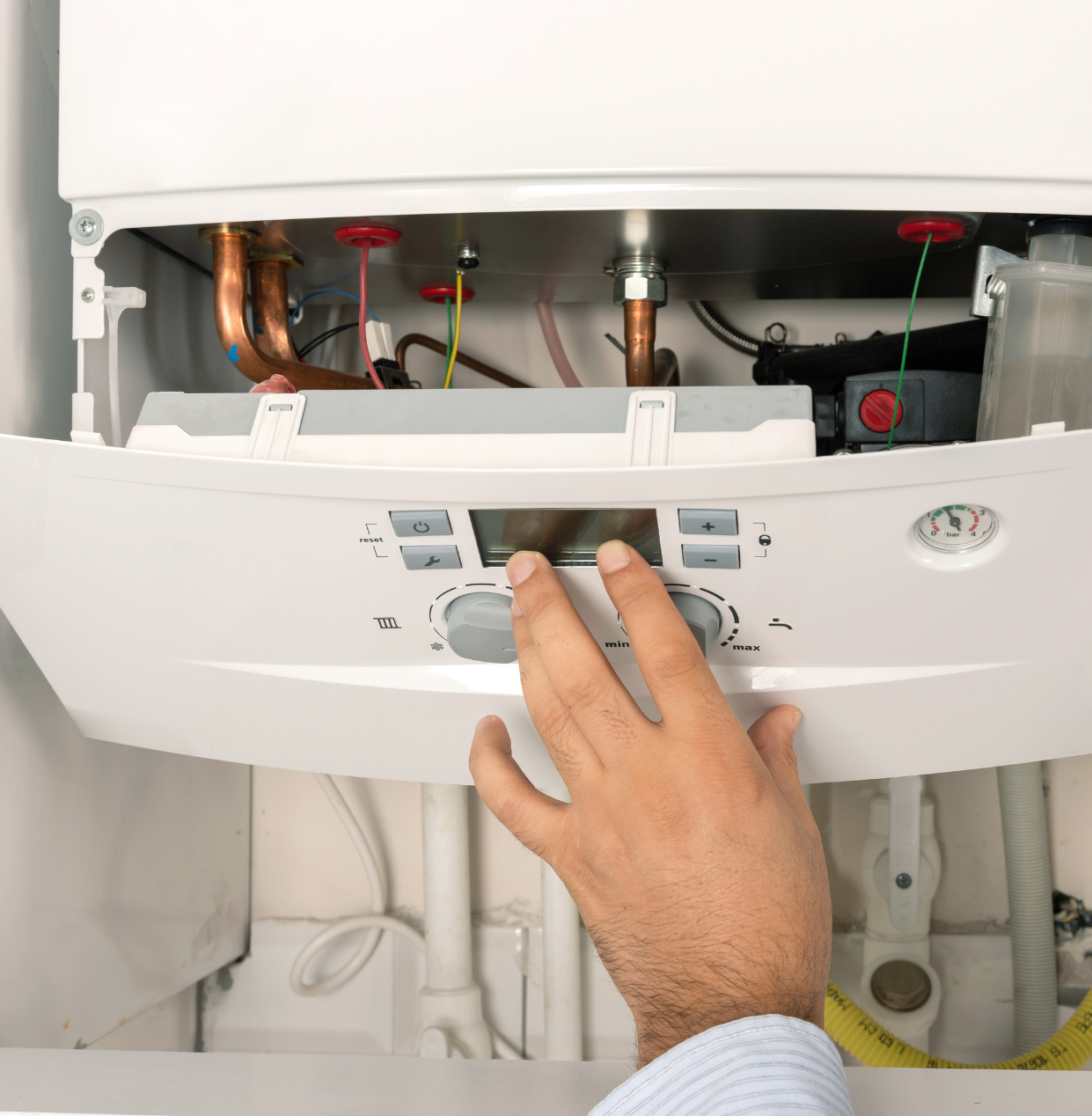
When I troubleshoot, I look for evidence in a few categories. System behavior is first, error codes second if available, and then measurements. Measurements include airflow checks, temperature differences across coils or heat exchangers, and electrical readings where appropriate. For gas packs, combustion and venting considerations matter, and safety controls need to be inspected, not bypassed. For heat pumps, refrigerant charge can be part of the story, but it also depends on metering devices, airflow, and ambient conditions at the time of service.
There is also the reliability angle. Some fixes are quick and some are permanent, and the difference is whether you stop the underlying cause. Replacing a part without addressing airflow problems can make the system return to the same failure faster than you would like.
AC installation in Kansas City: when repair is the right call, and when it isn’t
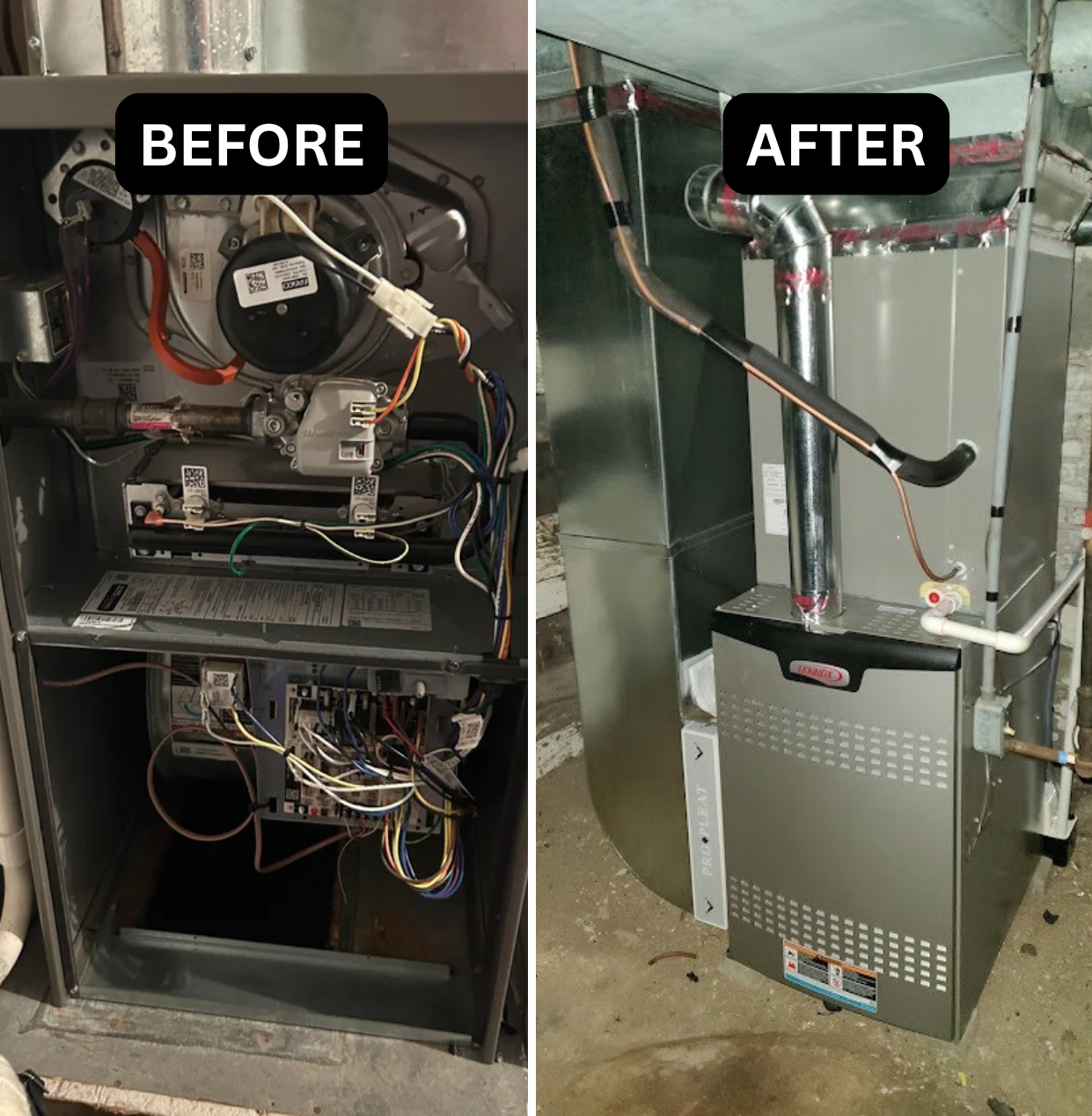
Repair is almost always the preferred first step when a gas pack or heat pump is still relatively new and the failure cost is reasonable. But replacement becomes more reasonable when repairs start to stack up, the system is aging into a range where multiple components are wearing out, or the unit is fundamentally mismatched to the home.
A common homeowner question is, “At what point should I stop repairing?” I generally don’t like hard cutoffs because what matters is the condition of the system, airflow in the ductwork, the quality of indoor environment goals, and whether the existing equipment can be tuned to perform efficiently.
If your system is frequently dropping into lockout, has repeated capacitor or ignition-related failures, or needs recurring blower and control repairs, replacement may actually reduce the total risk. If ductwork is leaky and your system is oversized or undersized, replacement alone won’t fix comfort, but it can make it more manageable when paired with improvements.
The best AC installation outcomes also depend on proper sizing and setup. An overcharged or undercharged system can look fine at first and then struggle under peak load. An installer who focuses on the equipment label instead of your actual heat load can give you a system that cycles too often or struggles to keep up. In Kansas City, that matters because humidity and temperature swings punish systems that are not set up right.
AC maintenance in Kansas City: the small stuff that prevents big problems
The fastest way to reduce repair calls is to make maintenance boring. Change filters on time, keep outdoor units clear of debris, and watch for early signs like weak airflow, unusual noises, and persistent cycling. Maintenance isn’t glamorous, but it protects the investment.
From a contractor standpoint, AC maintenance in Kansas City usually means checking indoor and outdoor components, verifying airflow, inspecting electrical connections, and cleaning coils when needed. For heat pumps, it also means confirming defrost operation and control behavior. For gas packs, it often includes checking burner and ignition performance, ensuring proper draft and venting behavior, and confirming condensate drainage is free and functional.
One truth that keeps repeating: many failures start as performance decline. The system may still run, but it takes longer to heat or cool, and the extra runtime increases wear. That wear builds into component failure. If you maintain early, you spend less later.
A quick homeowner checklist that actually helps
If you want something you can do between service visits, here is a simple check that catches a lot of avoidable problems without guesswork.
- Check your filter monthly during peak seasons, and replace it when it’s dirty, not when it “looks bad.”
- Verify the outdoor unit has clearance around it, and remove grass clippings or leaves that collect at the base.
- Listen for changes in blower speed or new rattling during startup, especially on heat pumps and gas packs.
- Watch for drain issues, like water pooling near the indoor unit or a gurgling sound during cooling.
- Take note of how often the system cycles, if it short cycles, or if it runs continuously without reaching the setpoint.
If you notice multiple issues at once, schedule service sooner rather than waiting for one symptom to “go away.” HVAC systems do not usually heal themselves.
Trade-offs: fixing vs upgrading, and the judgment calls contractors make
Every HVAC job includes trade-offs. Sometimes a repair is the right immediate move, and sometimes a bigger change prevents recurring failures. Here are a few common scenarios I’ve seen around Kansas City.
The “it’s only one part” trap
A capacitor might fail in a heat pump or AC system, and replacing it can restore operation. But if the underlying cause is a dirty outdoor coil leading to higher compressor stress, that new capacitor might fail again sooner than expected. That’s why good HVAC repair includes checking conditions and not just parts.
Comfort complaints that look like “refrigerant”
Low cooling capacity can be refrigerant related, but it can also be airflow related. Duct leaks, closed dampers, dirty coils, and restrictive returns can all mimic refrigerant problems. If a technician only measures pressures without verifying airflow and temperature splits, the repair could miss the real issue.
Gas pack burner behavior and safety
With gas packs, there is no value in cutting corners. If safety controls are involved, the fix has to be correct, not temporary. Venting and combustion performance matter for safety and for equipment longevity. You want a repair that restores proper operation, not one that keeps the system running while combustion conditions are still wrong.
When to call a contractor, not just the thermostat
There are times when waiting costs more. If your system repeatedly fails to start, if it trips breakers, if you smell gas, or if you see water intrusion near the indoor unit, it’s not a “call later” situation. Similarly, if your heat pump is running in a loop with no meaningful rise in indoor temperature, you likely have a capacity or control issue that needs measurement.
If you are trying to decide between DIY troubleshooting and hiring an HVAC contractor in Kansas City MO, the safest answer is to hire help when the problem involves combustion, electrical components under load, refrigerant system symptoms, or persistent lockouts. A properly trained technician brings the right test instruments and the experience to interpret what they show.
What you can do before the service call (so the repair goes faster)
A lot of the time, the best service experience happens when the technician walks in with helpful context. Here’s what I recommend homeowners do right away.
- Write down the symptoms, when they started, and what the system does when it tries to run.
- If your unit displays error codes, photograph the display or indoor control board label.
- Check and note your thermostat settings, including mode, fan setting, and any schedules.
- Locate and confirm where your filter is, and whether a recent change was done.
- Clear easy access around the indoor air handler and outdoor unit, so measurements can happen quickly.
You’d be surprised how much time this saves. It also reduces the risk of misdiagnosis, because the symptom timeline matters.
How to evaluate HVAC contractors for gas packs and heat pumps
Kansas City homeowners have choices. The trick is to find someone who treats diagnosis as the main event, not the upsell. I look for these qualities when I’m mentoring new techs, and they are the same things homeowners should ask about:
A contractor should be able to explain what they checked, what it indicates, and why the proposed repair addresses the cause. They should also talk about preventive steps that make sense for your home, like duct airflow improvements, filter practices, or coil cleaning schedules. If they can handle both gas packs and heat pumps, it’s a strong sign they understand systems as a set of interacting components rather than a collection of unrelated parts.
Because your keywords include both service and installation, it’s worth stating plainly: if you need HVAC repair in Kansas City MO, you should look for a company that can work across heating, cooling, controls, and airflow. If you are planning AC installation in Kansas City, you should look for someone who pays attention to sizing and setup, not just equipment sales.
A few realistic examples from Kansas City homes
To make this less abstract, here are a few examples that mirror what homeowners report.
One homeowner in the Northland area called because the heat pump “ran all night.” The air never felt properly warm, and the unit seemed busy but ineffective. The service visit found issues with airflow through the indoor coil, combined with defrost behavior that was causing extended periods of reduced heating. The fix was not just “charge and go.” After verifying airflow and ensuring defrost controls were behaving correctly, the system stabilized. That homeowner’s comfort improved quickly because the underlying capacity limitation was addressed.
Another call came from a household with a gas pack that would ignite, run briefly, then stop. The symptom looked like ignition lockout, and the common assumption is a faulty ignitor. The diagnosis showed a more complex airflow and combustion stability issue. Once the airflow was corrected and burner operation was verified, the system stopped cycling and the heat output matched expectations.
For cooling, one family complained about high humidity even when the temperature seemed adequate. The system cycled more than usual. The technician cleaned coils, confirmed airflow, and inspected condensate drainage and related components. After that, the indoor humidity dropped because the coil could remove moisture at the right rate again.
These are the types of situations where “guessing the part” costs money. A careful HVAC contractor in Kansas City MO can usually see patterns faster than a homeowner, but the real advantage is the measurements and the process.
Final thoughts on repair, maintenance, and keeping your system reliable
If your gas pack or heat pump is acting up, the smartest move is to treat it like a system, not a mystery. Kansas City’s weather punishes weak airflow, marginal ignition, and control issues. When you respond early, the repair is often simpler and the equipment life improves.
Whether you’re dealing with AC repair in Kansas City MO or you need broader HVAC repair in Kansas City MO for heating and cooling, you get the best outcome when repairs address root causes and maintenance is consistent. And if you are considering AC installation in Kansas City, make sure the process includes proper sizing, airflow planning, and setup that matches your home’s actual needs, not just the equipment catalog.
If you’d like, tell me what brand and model you have, what symptoms you’re seeing, and whether it’s a gas pack or a heat pump. I can help you narrow down the most likely causes and what to ask your service technician to check.
All 4 One Heating & Cooling
5828 Woodland Ave, Kansas City, MO 64110, United States
816-699-8366
[email protected]
Website: https://all4onekc.com/